West Coast superbloom returns with flower and foodie adventure
Experience the West Coast's 2026 superbloom! A 5-day journey from Cape Town to Namaqualand, exploring unique landscapes & flavors.
capetown.today
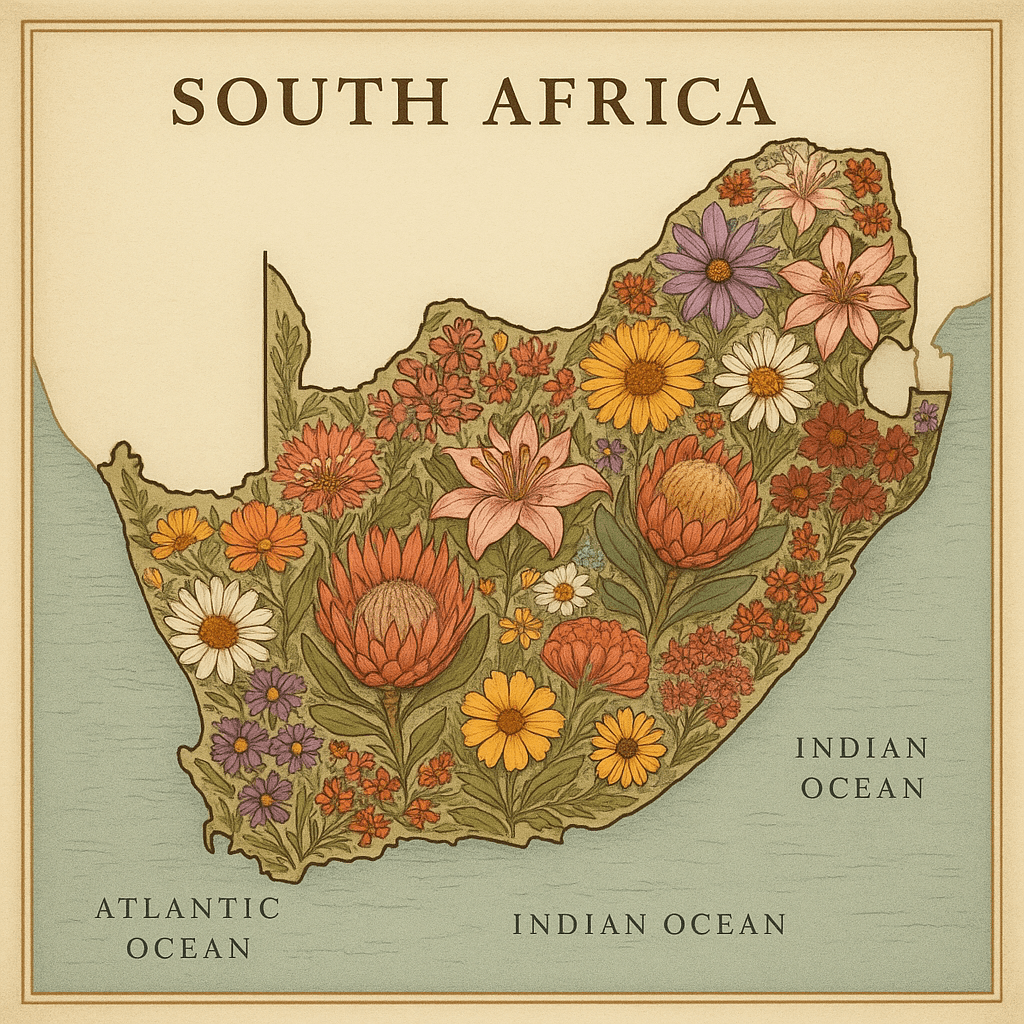
Experience the West Coast's 2026 superbloom! A 5-day journey from Cape Town to Namaqualand, exploring unique landscapes & flavors.
Get ready for a super special trip to see amazing flowers! In August and September 2026, you can join a five-day journey to see the West Coast's superbloom. You'll ride in cool vans, eat yummy local food, and sleep in unique places. It's a chance to see nature's magic and meet new friends on an unforgettable adventure.
The 2026 West Coast Superbloom Circuit has two exclusive five-day windows: August 14–18 and September 4–8. These dates are precisely timed based on soil temperatures exceeding 16 °C and the passing of the last frontal band, ensuring optimal conditions to witness the spectacular flowering.
Stay updated with the latest stories from the Mother City.
The only gates that open are 14–18 August and 4–8 September 2026. No extensions, no rain checks. The convoy rolls the moment soil thermometers, buried ten centimetres deep, tick past 16 °C and the last frontal band slips away. Seed physiologists call one another after dark and say only “toggle’s up,” the code that dormancy in the West Coast bank has cracked beneath wheat stubble and old grazing camps.
All trips use three 19-seat Toyota Coasters and two 13-seat Sprinters, retro-shod with tyres that can deflate to 1.4 bar so shale roads stay intact. Seats sell solo; no group can reserve a whole van, forcing strangers who speak different languages and carry different birth certificates to share the aisle. The lead storyteller rides up front, knees almost touching the first row, switching between Afrikaans and English every sentence.
Rendezvous is the Castle’s former postal yard, now hung with roll-up maps and a chalkboard that reeks of eraser. Welcome kit: a cotton scarf hand-dyed with West Coast iron rust, a sliver of salted pumpkin-seed brittle, and a SIM that wakes up only when the last city tower disappears one hundred kilometres north of Malmesbury.
The line creeps out before sunrise along the R27, skirting harbours where kreef crews still swab decks. A 71-year-old skipper guts a snoek in forty-two seconds while his wife times from the cab with a school-track stopwatch; the record is thirty-eight. The spine lands in a drum, smokes over grape cuttings, and flakes into lunch boxes two hours later.
Staff snap an RFID tag to your scarf; every checkpoint pings and uploads a macro shot. First colour is yellow gazanias that snap shut when brushed, then orange daisies, Senecio elegans, a coastal endemic that germinates only where salt mist drifts three hundred metres inland.
Crews pull folding tables from the luggage bay and unload: - Sandveld potatoes baked in jackets, split and topped with wind-dried mullet shavings - Roosterkoek straight off the fire, buttered with Darling fig jam - Pickled sand-shark dished into enamel mugs once used by rail gangs Water comes from 20-litre copper kettles retired from steam engines; the metal lends a faint sweetness that hugs the salt.
Thirty minutes across Langebaan Lagoon to a guano-capped rock that reeks of anchovy and ammonia. Guides hand round cotton masks dabbed with eucalyptus so guests can stomach the stench and photograph neon-green lichen that only survives under the nitrogen plume.
Rooms are old labourers’ cottages named for flowers that will not open this season: Ixia, Geissorhiza, Ornithogalum. Outdoor showers have no roof; water hits your shoulders under aircraft beacons winking red from the neighbour’s barn. Dinner is seven small plates built from by-catch: angel-shark meatballs, jacopever under grapefruit béarnaise, snoek-liver parfait piped onto seed crackers.
The convoy swings inland, climbing six hundred metres through a granite gorge where black eagles nest. Telemetry pings leopard and caracal collars. By 09:30 the vans stop on gravel that last year appeared in photographs as bare rock; now it is knee-high in Nemesia sundaes - white and mauve snapdragon cousins that smell of vanilla when bruised. Guests receive cardboard presses; every footstep becomes a specimen, warping within minutes under pigment and moisture.
Grandmothers run a kitchen under canvas fly-sheets once used by prospectors. Menu: - Venison bobotie set in coals, lid sealed with apricot leaves - Wild-fig atchar stirred in tin mugs, cinnamon bark from feral roadside trees - Sorghum beer fermented two days, poured into enamel cups that once fed rail crews Coffee swaps out for wild rosemary and honeybush steeped in smoke-blackened kettles.
The vans slide into the home of the Clanwilliam cedar where bark crushed between fingers smells of citrus pine. Orange daisies quit at the shale line; magenta vygies take over, petals folding when touched to survive noon heat.
Guests sleep in prefab cabins dropped inside a plantation. Farmers’ wives sear lamb in pans once used to toast tea leaves, leaving a faint caramel-honey film. Sides: - Rooibos-smoked potatoes, flesh blushed pink - Beet and orange salad dressed with buchu vinegar that tastes of blackcurrant and camphor Dessert: malva pudding steamed over rooibos kettles, served with custard from donkey milk - the only dairy on the farm during the rescue herd’s lactation window.
The R364 climbs the escarpment; altitude passes seven hundred metres. A thermometer suction-cupped to the window logs nine degrees lost in eighteen kilometres, the trigger for the next flower turnover. Glacial till soils create the richest bulb grassland on the continent.
Breakfast inside a 1940s general dealer with the original paraffin fridge still humming: - Roosterkoek stuffed with kudu biltong shavings and quince jelly - Eggs scrambled with fynbos honey and air-dried snoek flakes Coffee bean tea - dried cherries smoked over fire, tasting of tobacco and apricot.
Vehicles park inside an old Eskom caravan camp. Trails radiate across the hantam plateau where 1,400 endemics occupy 72,000 hectares. Highlights: - Geophytes roasted by Khoi-khoi, chestnut when baked - Bulbinella, yellow stems that leak aloe-vera jelly guides smear on sunburn - Spiloxene, a yellow star that closes unless viewed from below, an optical trick that makes entire slopes shimmer like mirages when seen from hilltops Staff hand out hand-lenses and coloured paddles - red, green, blue - to show pollinator vision under UV.
A kitchen pops up under a 380-metre cliff. Lunch seared on inverted plough discs: - Springbok loin with fynbos salt - wild rosemary, wild sage, quartz dust - Sweet potatoes baked in foil with buchu butter - Wild-melon salad from vines that follow road-grading disturbance Craft beer brewed with glacial till minerals - high silica lends a chalky mouthfeel that marries game proteins.
Vans halt below a 100-metre waterfall where the Doring River drops off a dolerite sill. Spray keeps a micro-forest of evergreen ferns and orchids pollinated by winter moths. Rainbows hover even at noon; polarising filters reveal UV nectar guides invisible to the naked eye.
Dinner served from 12-metre tables built from telegraph poles: - Venison potjiekos layered with potatoes, peaches, wild apricot kernels - Cornbread baked in three-legged pots, crust glazed with fynbos honey - Sago pudding infused with naartjie peel, steamed over lanterns that burn sheep-fat for fragrance Lights cut after plates; the hall opens to the night sky where the Milky Way reflects off polished wood, turning the surface into a low-resolution planetarium.
The West Coast Superbloom Circuit is a unique five-day travel experience in August and September 2026, designed to showcase the spectacular superbloom phenomenon. Participants will travel in specialized vans, enjoy local food, and stay in distinctive accommodations, offering an immersive nature adventure.
The 2026 West Coast Superbloom Circuit offers two exclusive five-day periods: August 14–18 and September 4–8. These dates are specifically chosen to coincide with optimal flowering conditions, based on soil temperatures exceeding 16 °C and the passing of the last frontal band. There are no extensions or alternative dates.
Travel will be in specialized vehicles, including three 19-seat Toyota Coasters and two 13-seat Sprinters, fitted with tires suitable for various road conditions. Accommodations will be unique, ranging from farm stays in old laborers' cottages to prefab cabins on a rooibos farm. The aim is to provide an authentic, local experience.
Yes, you will be traveling with a diverse group. Seats are sold individually, and no single group can reserve an entire van. This setup encourages interaction among strangers from different backgrounds and cultures, fostering new friendships. A lead storyteller will also be on board, switching between Afrikaans and English.
The circuit offers a rich array of unique experiences, from exploring national parks and botanical gardens to visiting bird islands and observing wildlife. You'll enjoy local cuisine featuring fresh, seasonal ingredients like wind-dried mullet, venison bobotie, rooibos-smoked potatoes, and springbok loin. Many meals are prepared in traditional ways, often outdoors or in rustic settings.
Upon arrival, you'll receive a welcome kit including a cotton scarf, pumpkin-seed brittle, and a SIM card that activates outside city limits. Be prepared for varied terrain and weather, as the itinerary includes coastal areas, mountain passes, and inland valleys. Specific items like cotton masks for Bird Island and cardboard presses for flower specimens are provided. It's advisable to bring appropriate clothing for outdoor activities and be open to an adventurous journey.
Isabella Schmidt is a Cape Town journalist who chronicles the city’s evolving food culture, from Bo-Kaap spice merchants to Khayelitsha microbreweries. Raised hiking the trails that link Table Mountain to the Cape Flats, she brings the flavours and voices of her hometown to global readers with equal parts rigour and heart.
Saturday, June 27, 2026