Avoid Bubblegut and Keep Your Heart Healthy
Calling all bodybuilders: Bubblegut or palumboism can be a sign your heart is in danger? Learn what causes it, and how to avoid it with MNB.
Medical News Bulletin
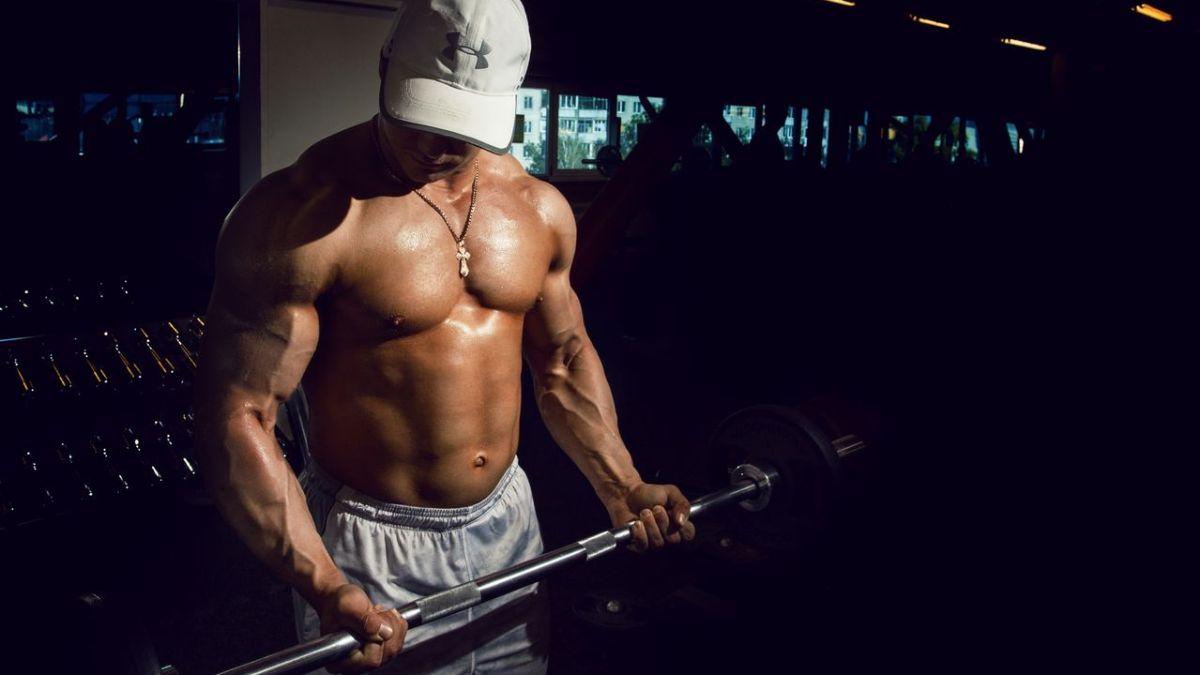
Stop using performance enhancing ‘supplements’ if you want to avoid bubblegut. You suspected but now we know, guys, your gym buddies are lying to you. Those incredible gains are not just from a high-protein diet and a punishing schedule. The tell? Bubblegut. Yep, it’s actually not from their turbo creatine shakes. It’s the gear. Researchers say that men who use performance-enhancing drugs have significantly larger hearts, spleens, livers and kidneys than men who don’t.
Bodybuilders in denial have argued for years over whether that swollen abdomen look comes from drugs or diet, but Dutch scientists are ringing the final bell on the debate. While the jury is still out on if eating excessive amounts of protein helps increase gains, the researchers contend that it doesn’t make your internal organs grow.
Ironically, drugs and supplements intended to help you sculpt your body into perfect shape are responsible for sabotaging your silhouette and putting your life in danger.
Palumboism or bubblegut isn’t just an aesthetic concern. It can also be a sign that your heart health is in danger. Researchers now suspect that a large heart – cardiac hypertrophy, is not just caused by exercise; it might also be an example of visceromegaly. Some doctors have wondered whether cardiac hypertrophy could be a risk factor for sudden cardiac death in bodybuilders. In fact, according to heart specialists, professional bodybuilders are more than five times more likely than amateurs to suffer sudden cardiac death.
Palumboism happens to bodybuilders who use steroids for a long time. Doctors are not sure exactly how it comes about, but they have their suspicions. Right now, they are pinning it on a combination of visceramegaly/organomegaly, and hormonal changes that mess up your metabolism. Disrupted hormones can make your body lay down more visceral fat than subcutaneous fat. The culprit for the hormonal disruption? Likely steroids.
Visceramegaly describes a condition where your internal organs, like your heart, liver, spleen, kidneys, etc. are abnormally large. These oversized organs need more space than your abdomen can accommodate, causing your belly to protrude. People have speculated for a long time that visceramegaly could be down to a high-protein diet – after all, if protein helps your muscles get bigger, why not your spleen?
Researchers based out of Maastricht University Medical Center called time on this myth in a research study published in Medicine & Science in Sports & Exercise earlier this year. The team of biologists showed, using MRI scans, that the visceromegaly behind bubblegut only happens in people who use appearance and performance-enhancing drugs.
They compared 15 men who exercise for fun (the gun group), 15 competitive bodybuilders who don’t use performance-enhancing drugs (the naturals) and 15 competitive bodybuilders who do use gear (the users) to figure out what’s a result of heavy training and diet, and what’s likely down to the drugs.
The researchers recruited bodybuilders from competitors in competitions that either did strict drug tests or didn’t enforce bans. They only accepted bodybuilders who confided that they did use performance-enhancing drugs from the competitions that didn’t drug test. In addition to the MRI scans, the men also completed detailed food diaries, descriptions of their work out plans, blood tests and DXA scans.
Most (93%) of the drug users said they’d been supplementing with exogenoustestosterone esters, such as testosterone enanthate or cypionate for an average of six years. On average they carried 20 kg more lean mass than the fun group and 10 kg more than the natural bodybuilders, and had significantly larger muscle volume.
The MRIs showed that the competitive bodybuilders who admitted to using performance enhancing drugs had bigger internal organs than their natural counterparts and regular active men. There was no difference between organ sizes in men who exercise for fun and men who do competitive bodybuilding without appearance or performance-enhancing substances.
Worryingly, competitive bodybuilders who admitted to using performance enhancers, on average, had hearts around 30% bigger than those in the natural crowd and the recreational exercisers. Not only this but their systolic blood pressure was significantly greater than that of the guys who worked out for fun.
The researchers showed that, despite having similar diets and workout regimes, the drug users had bigger muscles, bigger organs and less body fat than the other two groups. On the other hand, while the natural competitive lifters had 10 kg more muscle mass and larger muscles than the fun group, their organs were the same size. So even though they had built a lot of muscles, their internal organs stayed a normal size. Only men who admitted to using performance enhancing drugs had unusually large organs.
The researchers found that the competitive body builders ate similar diets, with similar amounts of protein, both eating far more food and protein than the recreational athletes.
Natural bodybuilders did not have oversized hearts or other organs, even though they also ate lots of protein. The two competitive body building groups were getting their protein from similar sources (whey protein and creatine) but so were half of the control group so the protein source doesn’t seem to be a factor either.
Not only were their diets similar but the natural bodybuilders put just as much work as their drug using peers. In fact, the natural lifter had to spend a lot more time working out to achieve their gains. They visited the gym more often, trained for longer and worked more muscle groups when they got there.
The researchers concluded that the viseceramegaly was more likely to be a result of performance-enhancing drug use than a high-protein diet or their workout routine.
The paper didn’t include waist measurements so we can’t see whose belly was biggest. On the other hand, if the competitors with a doping habit had a much bigger liver, large kidneys and oversized spleen, it’s unlikely that they were managing to keep a flat stomach.
Aside from aesthetic concerns, a bubblegut is a sign that your organs are getting bigger. While that might not sound like a problem, remember than an oversized heart shows up frequently in bodybuilders who die young. Given that competitive bodybuilders who did not use drugs didn’t have big hearts, despite training more and eating just as much protein, it’s likely that the cardiac hypertrophy is connected to performance-enhancing drug use.
If you are supplementing your workouts with steroids or growth hormone and notice your gut getting bigger, it’s a sign that your heart is also getting bigger. At the end of the day, we all make our own decisions, but maybe if your pants are getting tight at the waist, it’s time to rethink your regime.
Escalante G, Darrow D, Ambati VNP, Gwartney DL, Collins R. Dead Bodybuilders Speaking from the Heart: An Analysis of Autopsy Reports of Bodybuilders That Died Prematurely. J Funct Morphol Kinesiol. 2022;7(4):105. doi:10.3390/jfmk7040105
Fuchs CJ, Brauwers B, Trommelen J, et al. When Size Goes Inside: Visceromegaly in Bodybuilders Is Not Attributed to High Protein Intake but More Likely Associated with the Use of Appearance- and Performance-Enhancing Drugs. Med Sci Sports Exerc. Published online April 27, 2026. doi:10.1249/MSS.0000000000004011
Haykowsky MJ, Dressendorfer R, Taylor D, Mandic S, Humen D. Resistance training and cardiac hypertrophy: unravelling the training effect. Sports Med. 2002;32(13):837-849. doi:10.2165/00007256-200232130-00003
Suslin IA, Efimenko IV, Castrellon R, Husain TM. Abdominal Hypertrophy Syndrome: Characteristics and Potential Pathophysiology. Cureus. 16(10):e72026. doi:10.7759/cureus.72026
Vecchiato M, Ermolao A, Da Col M, et al. Mortality in male bodybuilding athletes. Eur Heart J. 2025;46(30):3006-3016. doi:10.1093/eurheartj/ehaf285
Friday, July 3, 2026