Engineered Immunotherapy Improves Treatment for Brain Cancer
Brain cancer is a highly aggressive form of uncontrolled cell growth. What makes brain cancer difficult to treat is its very location. It is difficult to r | Immunology
Labroots
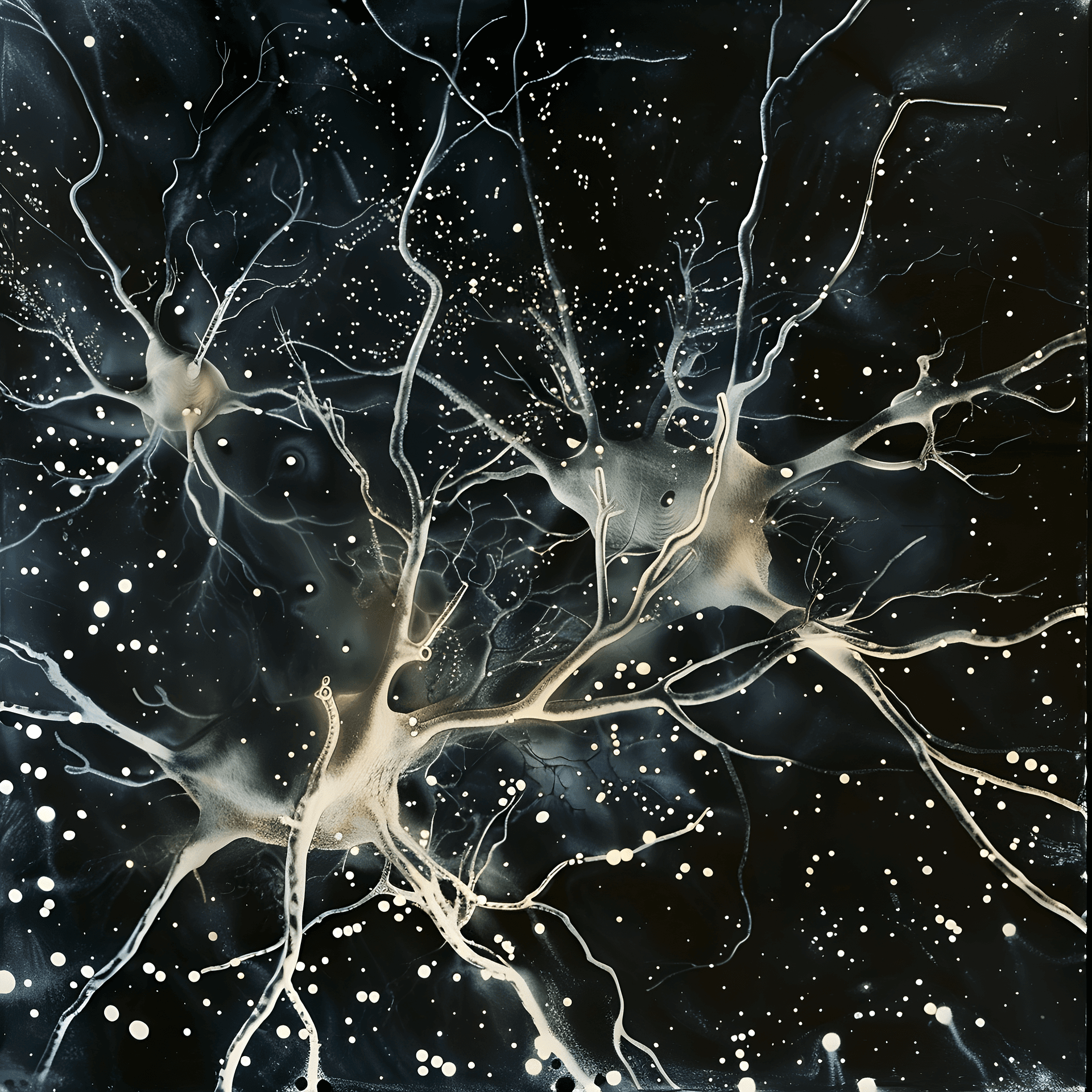
Brain cancer is a highly aggressive form of uncontrolled cell growth. What makes brain cancer difficult to treat is its very location. It is difficult to resection the entire tumor and many drugs fail to pass the blood brain barrier (BBB) – the protective barrier surrounding the brain. The rich nutrient environment around the brain also helps fuel the malignancy and progress. Some symptoms of brain cancer include frequent and severe headaches, nausea/vomiting, changes in vision, difficulty with coordination, seizures, confusion, poor memory, change in mood, and personality. Brain tumors are detected by neurological exams such as vision, hearing, balance, and reflex testing. Physicians also use imaging techniques and take biopsy samples to confirm diagnose. Other than surgery, patients are treated with chemotherapy and/or radiation therapy. Scientists and physicians are working to enhance current treatment strategies and improve patient survival.
Specialized immune cells, known as T cells, are a major population within the immune response. Their primary role is to identify and eliminate foreign invaders. This process is critical to overcome tumor growth. Unfortunately, in the context of cancer, many T cells become polarized and inert in which they cannot recognize or actively eliminate tumor cells. Many novel approaches for cancer treatment focus on targeting T cells because of their strong ability to clear infection. One such T cell-based immunotherapy includes chimeric antigen receptor (CAR)-T cell therapy. This form of therapy takes the patient’s T cells and engineers them to identify cancer cells. The CAR-T cells are then infused into the patient to effectively target the tumor.
A recent article in Nature, by Dr. Sheila Singh and others, demonstrate that CAR-T cell therapy can be used for glioblastoma – a rare and aggressive form of brain cancer. The group found that in several preclinical mouse models of glioblastoma, CAR-T cell therapy eliminated the tumor and led to long term survival. Singh is a Professor in the Department of Surgery and Biochemistry and the Director of the Surgeon-Scientist Program at McMaster University. She also holds a Canada Research Chair in Human Cancer Stem Cell Biology. Her group mainly focuses on identifying novel populations of cancer stem cells that drive the formation of tumors. Singh also investigates different treatment methods, including T cell-based immunotherapies to improve patient survival.
Large portion glioblastoma consists of immune cells, including T cells. Unfortunately, they are reprogrammed to help the cancer grow. To overcome this obstacle, Singh and her team identified a protein known as GPNMB. This marker is found on cancer cells and was used to develop CAR-T cell therapy. GPNMB is also expressed on macrophages, an immune cell that drives glioblastoma progression. Therefore, CAR-T cell therapy designed to target GPNMB eliminates both cancer cells and macrophages. This aids in robust antitumor response because it not only targets the tumor itself, but also the cells that protect it.
Singh and her team have developed a novel therapy that has shown significant promise in the lab. Researchers hope to introduce this in clinical trials after several more experiments in the laboratory to confirm safety. Overall, this work has the potential to enhance current treatment strategies for patients with glioblastoma and improve survival rates.
Thursday, July 2, 2026