How is the Australian poultry industry preparing for a possible outbreak of bird flu?
The poultry industry is on high alert. But authorities have had years to prepare for this moment and plans are being put in place.
The Conversation
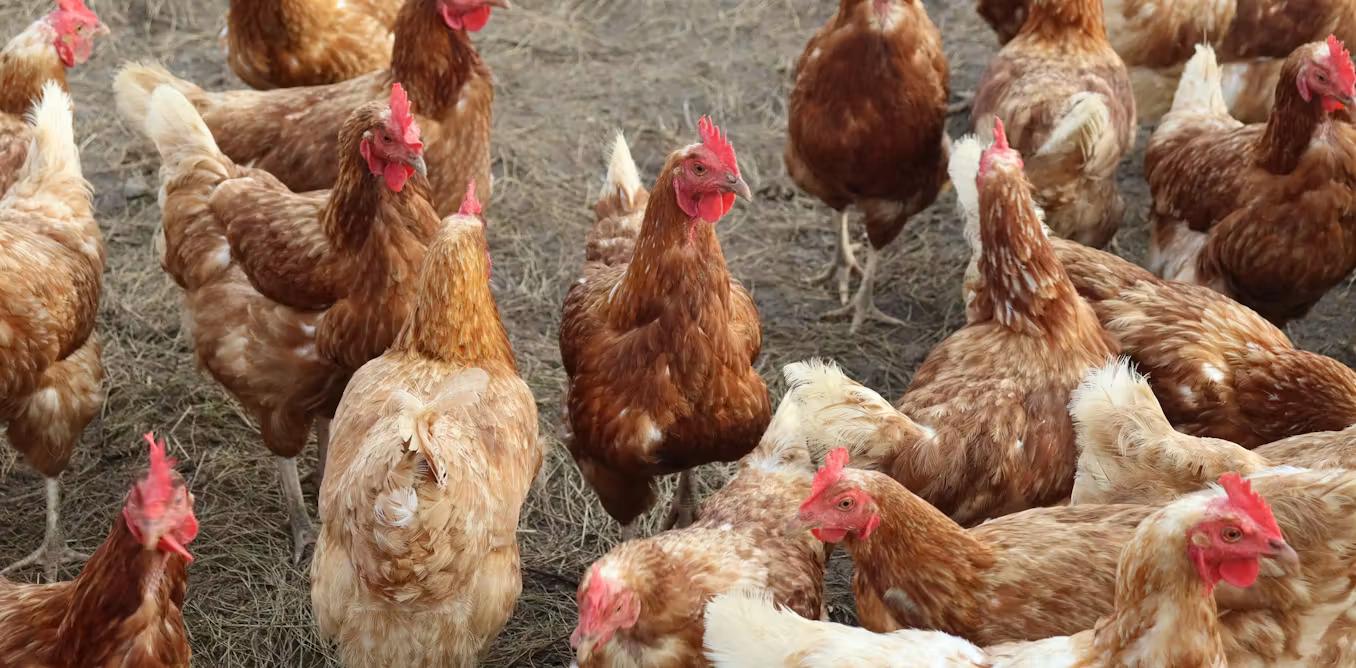
After being detected for the very first time in two seabirds in Western Australia less than a week ago, the deadly H5N1 strain of bird flu has also arrived in a second state – with a case confirmed in South Australia.
For humans – especially those who don’t come into close contact with infected animals – the risk of getting sick is low. But Australia’s multibillion-dollar poultry sector is on high alert.
A severe outbreak wouldn’t just mean the possible deaths of millions of birds (either from the virus itself or due to culls to contain it). It could also lead to export bans on Australian poultry products and create huge costs for producers to decontaminate affected farms, despite government support.
It’s important to emphasise that at this stage, H5N1 has not been detected in any commercial poultry farms or native and endemic wild birds in Australia.
So, how are we preparing to deal with a possible outbreak? And if one happens, what could it mean at the checkout for the price of chicken, eggs and other poultry products?
Around the country, but especially in WA and SA, the poultry industry has already begun increasing biosecurity measures as a precaution.
Inghams, for example, Australia’s largest poultry producer, has locked down its operations in WA, blocking non-essential access to farms.
Inghams is also seeking a “regional housing order” from the federal government’s chief veterinary officer, which would allow it to bring its free-range flocks indoors.
That’s because at this stage, the industry’s priority is protecting flocks from exposure to wild birds as much as possible.
These measures are on top of routine biosecurity measures for poultry farms, which typically include:
The H5N1 strain is highly lethal to chickens, as well as turkeys and quail. Other birds grown commercially, such as ducks, can also be infected, but are more of a concern because they can be “silent carriers” of the disease, sometimes able to spread it without symptoms.
Australia has never had an outbreak of this H5N1 strain of bird flu, which first emerged in Asia about three decades ago. Until this month, we had famously been the last continent on Earth deemed free of the virus.
But Australia has successfully dealt with outbreaks of other bird flu strains in the past, which at the time dampened production of chicken meat and eggs.
Most recently, from mid-2024 through to early 2025, poultry farms in Victoria, New South Wales and the Australian Capital Territory faced an outbreak of multiple strains of the H7-type bird flu. The main difference with H5 is that these H7 variants have never been linked to mass wild bird deaths or mammalian cases, including people.
H7 was declared successfully eradicated by July 2025. But this achievement required the culling of more than 10% of Australia’s egg-laying chicken flock or some 2.4 million birds. Production fell and egg prices rose sharply.
The playbook for dealing with H5N1 would be very similar. But the stakes and uncertainties are higher, because this strain is deadlier and can infect a broader range of animals (and therefore spread more easily).
It’s no guarantee of what would happen here, but looking to the United States provides an illustration of how devastating an H5N1 outbreak can be.
Since 2022, the US has been dealing with a severe outbreak of highly pathogenic avian influenza. More than 200 million birds have died, either from the disease itself or due to being culled.
Australia’s commercial chicken flocks are routinely vaccinated for a range of common diseases. And a vaccine exists for the H5N1 strain of bird flu.
So, you might be surprised to learn that not only are Australia’s commercial flocks not vaccinated for bird flu, but this vaccine isn’t permitted for use in Australia except in very limited circumstances.
The main reason for this is that Australia has sought to maintain our “free without vaccination” status for bird flu, which allows us to export poultry products freely anywhere in the world.
If there was a major outbreak in Australia, meaning no country’s poultry industry could be declared free of the virus, the business case for using the vaccine would likely change.
Right now, it’s reasonable for Australia’s poultry farmers to be highly vigilant. But we shouldn’t get carried away and panic.
As a consumer, it remains safe to eat poultry meat and eggs if you’ve handled and cooked them properly. If there remain no confirmed cases yet in commercial facilities, there will be no impact on the supply or prices of egg and poultry meat.
Australian authorities have had a long time to prepare for a possible outbreak and develop plans which are now being put into place. This included “Exercise Volare” in 2024, which brought together government departments and senior industry leaders to plan for different potential scenarios of an outbreak of this virus.
Read more: Bird flu has spread to two Australian states. Here’s how it could accelerate our extinction crisis
Friday, June 26, 2026