Screens for under-twos should be avoided, study says
Screens for under-twos should be avoided, study says
t2ONLINE
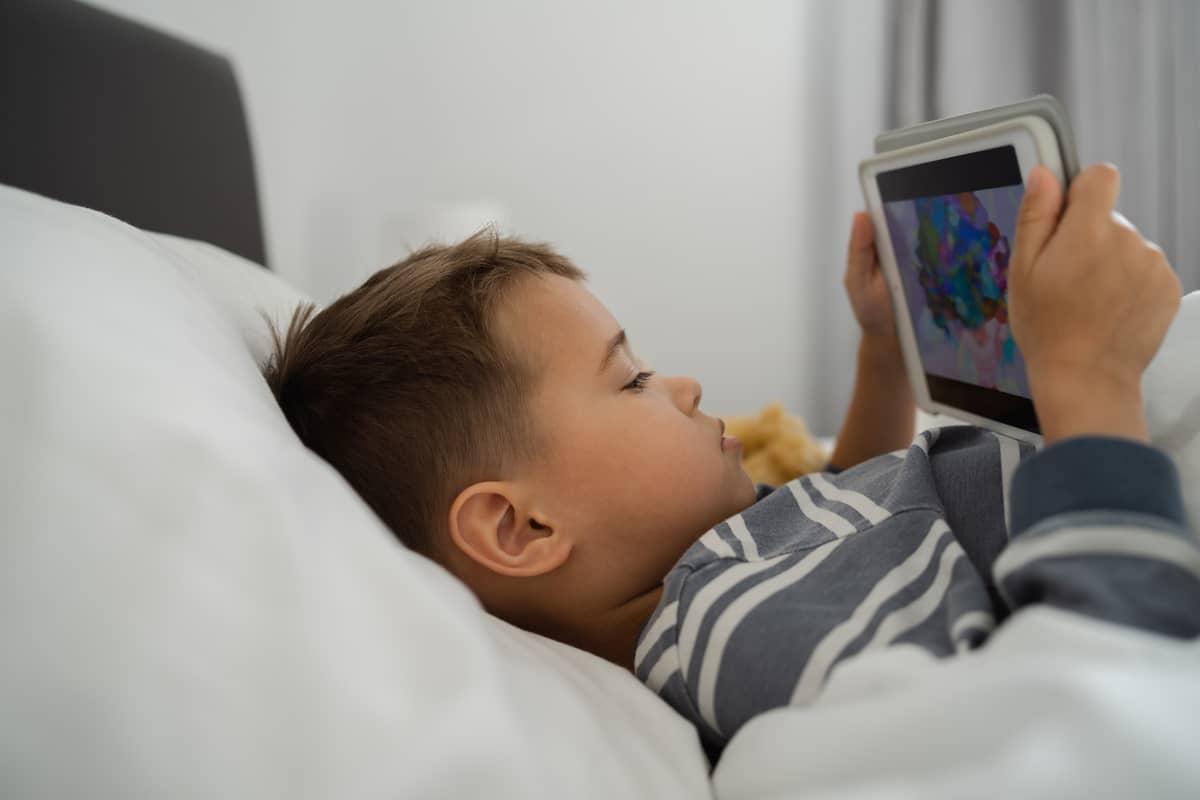
Screen time for babies and toddlers under the age of two should be avoided altogether, according to a landmark study that warns of long-term negative effects on health and quality of life and calls for urgent further investigation into the risks smartphones, tablets and other digital devices pose to infants.
The review, commissioned by the 1001 Critical Days Foundation, a UK-based charity dedicated to the period from conception to a child's second birthday, was carried out by the interdisciplinary Action on Digital Device Immersive Conditions Team (iADDICT), a group of academics drawn from the University of Leeds, Leeds Trinity University, Loughborough University and Aston University. Described as the most comprehensive review yet of available global research on the subject, it draws on empirical studies published since 2020 and was preregistered with PROSPERO ahead of searches conducted across Web of Science and Scopus.
With political attention currently fixed on teenagers' digital habits and government plans to ban under-16s from social media, the researchers say they are concerned about a "baby blind spot" in policy at a time when screen use has become embedded in everyday parenting. More than half of children are already using screens by their first birthday, and over a third are exposed by six months. Around 9.5 per cent of two-year-olds are persistently high users, averaging roughly four hours a day, while close to one in five children use screens with no parental interaction at all.
The review did not establish causal links between screen use and specific developmental conditions, but its findings on association were extensive. It points to reduced opportunities for parents and caregivers to bond with infants, less time for physical play with other children, and limited language development. Screen use at such an early age may increase overstimulation and disrupt sleep, the researchers say, and carries implications for eye health and childhood obesity, while infants are increasingly turning to digital devices for comfort and soothing rather than to a parent. Several studies cited in the review also point to a possible association between high early screen exposure and behaviours sometimes observed in autistic children.
The review's policy conclusion is unambiguous: no child under two should receive regular, intentional screen time, since passive exposure is already societally unavoidable and adding deliberate use compounds risk without meaningful benefit. On that basis, the researchers are calling on the government to reconsider its recently published screen time guidance for under-fives, which recommends avoiding screen time for under-twos but caveats that advice by excepting "shared activities that encourage bonding, interaction and conversation." The team argues that any guidance pointing under-twos towards shared screen time, screen time for learning, screen time for communication, or screen time for children with disabilities or learning difficulties should be reconsidered, since it risks being misread by parents as a signal of safety, potentially worsening outcomes for children already at greater risk.
To help translate the findings into practical support, the researchers are calling for a "baby screen-time risk assessment", which would allow services to provide targeted help for families where developmental vulnerabilities may be emerging.
Andrea Leadsom, a former Conservative minister and founder of the 1001 Critical Days Foundation, called the review "a wake-up call," adding that the evidence increasingly suggests screens offer limited benefit for babies while carrying significant risk during what she described as the most important period of human development. Leadsom said responsibility should not rest solely with parents, arguing that every family should have access to a Best Start family hub offering trusted advice and practical help. She also said technology companies should play their part, and that parents should not be shown content labelled or promoted as suitable for babies when the evidence points to the contrary.
Rachel de Souza, the children's commissioner for England, who helped draw up the existing government guidance, defended its current form, saying it was intended to support rather than replace parental judgment, and that while the recommendation to avoid screen time for under-twos is clear, the guidance also acknowledges that some shared screen use, such as video-calling relatives or supported learning, is normal in limited circumstances.
Saturday, June 27, 2026