Can Cameroon reclaim its maritime flag after shadow fleet abuse?
Legislative reforms are welcome, but technological and capacity gaps still leave Cameroon vulnerable to high-risk parallel maritime networks.
ISS Africa
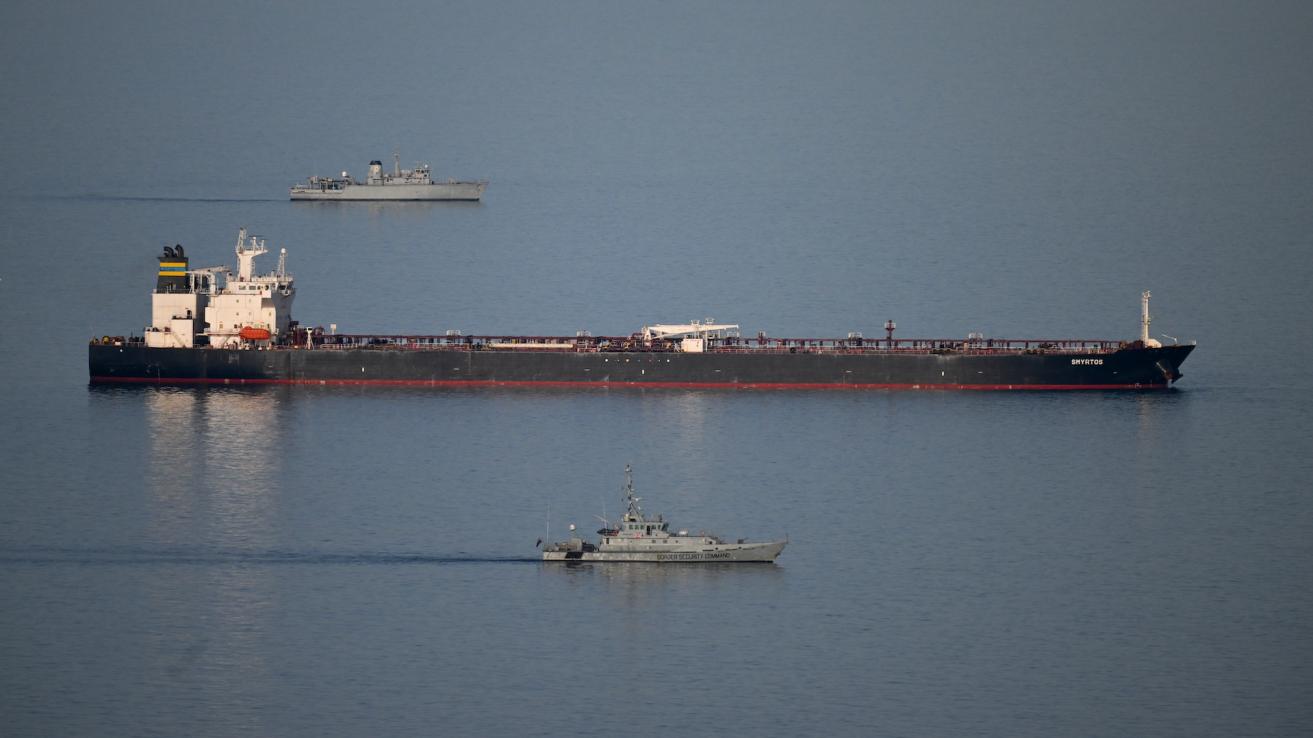
Cameroon has decided to deregister and sanction several ships linked to the shadow fleet that enables Russia to circumvent international sanctions, particularly in the oil and grain trade. The decision is part of maritime governance reforms launched in response to European Union (EU) pressure.
However, ship registration reforms alone won’t end the use of the Cameroonian registry by networks operating outside the norms of international maritime governance.
Cameroon has long been considered a flag of convenience, attracting high-risk operators like those involved in smuggling Iranian and Venezuelan oil. Since December 2025, 100 vessels have been linked to the Russian shadow fleet, placing Cameroon among the top three countries associated with the fleet, alongside Russia and Sierra Leone.
In addition to bypassing international sanctions against Russia, Iran and Venezuela, several Cameroonian-flagged vessels are involved in trafficking and other illegal activities. A recent case was the seizure in January by Spanish special forces of a merchant ship off the Canary Islands with a cargo of nearly 10 tonnes of cocaine.
An Associated Press investigation shows how Cameroonian-flagged vessels have been involved in illegal, unreported and unregulated fishing and crimes such as money laundering and transhipment operations at sea. These incidents damage the credibility of Cameroon’s shipping register – considered by some analysts, including Lloyd’s List editor-in-chief Richard Meade, as ‘one of the highest risk registers [worldwide].’
Cameroon has long been considered a flag of convenience, attracting high-risk operators linked to oil smuggling
Cameroon has come under pressure to take action before. In 2023 it received a ‘red card’ from the EU for laxity in issuing flags to vessels involved in illegal fishing; in 2024, the United Arab Emirates banned Cameroonian-flagged vessels from its waters.
A combination of factors has led to Cameroon’s flag becoming a refuge for opaque maritime networks that conceal vessel ownership and activities. Foremost are structural failures in flag state governance, including an obsolete legislative and regulatory framework dating back to the 1960s.
The country’s maritime registry also suffers from weak administrative, technical and social controls. It cannot verify vessel ownership, especially since ships applying for registration are often linked to complex business structures. Some media describe a system where registration is ‘poorly controlled, even monetized without rigorous verification.’
Cameroon’s maritime administration lacks the capacity to verify potential links with a sanctioned entity, access platforms to review a ship’s flag history, and subscribe to basic compliance review tools. Also, the country is not technologically capable of monitoring its registered ships daily.
In some cases, Cameroonian-flagged vessels are correctly registered by opaque maritime networks. In others, these networks fraudulently use the country’s flag after gaining access to Cameroon’s official digital signature. This likely occurs with assistance from within the maritime administration, an anonymous expert told ISS Today.
Officials told ISS Today that pirate digital platforms used by intermediaries in Türkiye, Montenegro and Georgia forged the signatures of Cameroon’s four maritime district heads. This allowed them to issue fake registration certificates, bills of payment and other ship documents.
Cameroon is among the top three countries associated with the shadow fleet, alongside Russia and Sierra Leone
Cameroon’s ship registration system is spread over four maritime districts, which aren’t interconnected and have little support from international maritime surveillance mechanisms. Criminals exploit these shortcomings in the digital platform for registering ships – a situation that is worsened by a lack of human resources qualified in merchant marine techniques.
The surge in registrations of ships belonging to the Russian shadow fleet is also linked to geopolitics, which drives demand for opaque flags. Indeed, Western diplomatic pressure on previous ‘sanctuaries’ such as Panama, The Gambia and Gabon led ships to take refuge under the flags of Cameroon and Sierra Leone. The re-registration of Russia-linked tankers to a more accommodating flag has led to a dynamic experts call ‘Whac-a-Mole.’
The Cameroon flag’s attractiveness to the shadow fleet is also linked to low registration costs. The ‘Cameroonisation’ of ships is set at XAF100 000 (US$174), and registration costs XAF150 000 (US$261) for ships of 100 to 10 000 gross tonnage.
These vulnerabilities in the Cameroonian registry have led cartels to register ‘disposable vessels’ and ships deemed to be involved in illegal fishing or the dodging of international sanctions.
Facing EU pressure and risks to legitimate shipping, foreign investments and its reputation, Cameroon has taken emergency measures. These include suspending new registrations of vessels operating outside Cameroonian territorial waters, launching an audit of the register under the aegis of the Prime Minister’s Office, and targeted delisting operations.
The planned reforms don’t address fake certificates and websites, and compromised digital identities
Structural reforms are also underway, including strengthening the regulatory framework for ship registration. A draft decree sent on 2 June by the Prime Minister’s Office to the Presidency for sign-off provides for better examination of registration applications. It also allows for more punitive judicial and financial sanctions, verification of beneficial owners by an inter-ministerial committee, and more systematic checks on safety controls and inspections.
There are also plans to enhance the digital registration process to improve traceability and reduce fraud. Regulatory acts are being prepared with departments such as fisheries, trade, labour, health, finance and external relations.
Although commendable, these reforms alone cannot end the exploitation of Cameroon’s registry. Legislative change, due diligence and beneficial-owner verifications tackle one part of the problem, but don’t address counterfeit certificates, fraudulent websites, compromised digital identities, or vessels misrepresenting Cameroon as their flag state.
For Cameroon to turn its vulnerabilities into a regional model for modernising maritime governance, a specialised merchant navy corps is needed with control capabilities, compliance tools and real-time tracking systems.
International partner relations should be optimised to help build due diligence capacity among maritime administration staff. And connecting with the International Maritime Organization’s Global Integrated Shipping Information System would enable Cameroon to access ship flag histories before they are registered.For permission to re-publish ISS Today articles, please email us. In South Africa, News24 has exclusive rights to republish ISS Today articles. In Nigeria, Premium Times has exclusive rights to republish ISS Today articles.
Friday, June 26, 2026