Why oil refineries are burning: TC "Two majors" pointed out the coincidence of strikes with the data of the bureaucracy
EADaily, June 26th, 2026. The authors of the telegram channel "Two Majors" offered as an answer to the question — why our refineries are burning — a comment from the management of one of the enterprises related to hazardous production facilities (OPO) of the 1st class, to a letter from Rostechnadzor.
EADaily
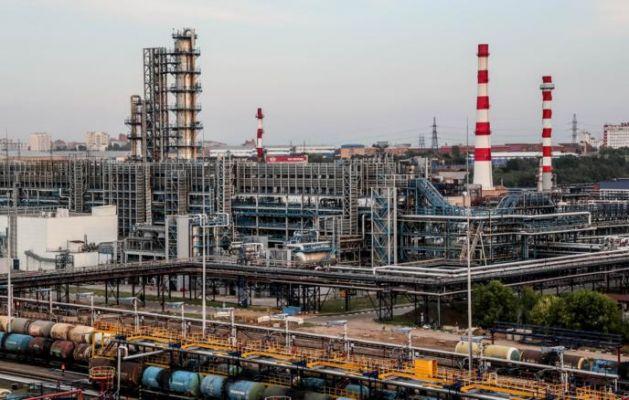
The authors of the telegram channel "Two Majors" offered as an answer to the question — why our refineries are burning — a comment from the management of one of the enterprises related to hazardous production facilities (OPO) of the 1st class, to a letter from Rostechnadzor. The letter directly refers to the "strange" coincidence of repeated strikes by the Armed Forces of Ukraine on the plant restored after enemy attacks, with information on the results of state supervision inspections. Simply put, the bureaucracy does not want to adapt to the current realities on earth, demanding in order to comply with safety standards, to do everything quickly and according to the law.
"Two majors" published a letter received from Rostechnadzor addressed to one of the industrial enterprises, from which it becomes clear why Russian refineries are burning.
"Two majors" in this regard raised the topic of how the bureaucracy works in war conditions.
Z-bloggers add that "it is possible, of course, to hammer a bolt into the examination and start protecting the object (it seems that the zealous owner should protect his goods), but supervision will come and a fine again."
EADaily adds that the legal basis for the classification of OPO hazard Class I is Federal Law No. 116-FZ of July 21, 1997 "On Industrial Safety of Hazardous Production Facilities." Appendix 2 to this law establishes classification criteria based on quantitative and qualitative risk indicators.
The documents, in particular, emphasize that strict requirements are imposed on the design, operation and control of such facilities based on the principles of accident prevention, risk minimization and ensuring the stability of safety systems. It is required to build a comprehensive security management system that includes the principles of prevention, control and rapid response.
Friday, June 26, 2026